Behind the Glass: Fire Hose Cabinet Safety Checks
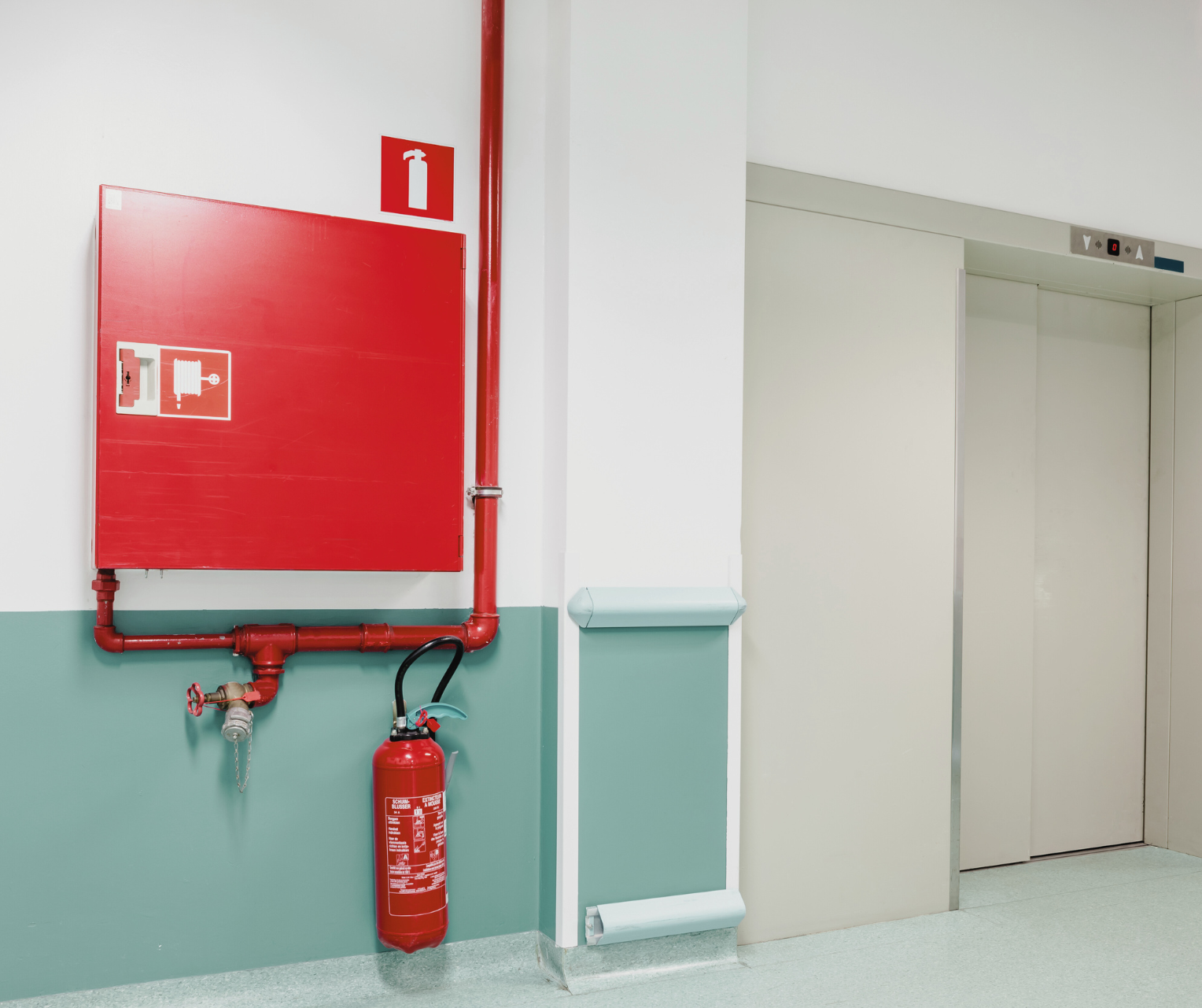
Fire hose cabinets are essential for upholding fire safety regulations and help ensure that facilities remain prepared for a fire. For an efficient fire response, their correct inspection, maintenance, and compliance with regulation is essential.
Fire hose cabinets must undergo a monthly visual inspection to ensure all equipment is present, in proper position, and in operable, working order.
Over time, fire hose cabinets are susceptible to deterioration. Regular cleaning and lubrication can ensure that equipment operates optimally and extends its lifespan.
Additionally, fire hose cabinets are to be inspected annually, or after use, by a licensed service provider.
From Cabinet to Compliance: What to Check
Inspections of the cabinet itself should confirm:
- Cabinet is correctly labeled and clearly identifiable
- Cabinet door can be fully opened with no obstructions; access to the cabinet is not compromised in any way
- Cabinet is clean and free of debris
- There is no physical damage to the cabinet structure, nor is there excessive rust or corrosion
Inspections of hoses housed within the cabinet should confirm:
- Hose is present and properly positioned; there are not any folds or kinks on the hose
- Hose is in good condition and there is no physical damage, corrosion, or visible leaks
- Hose is linked to the valve and nozzle; access to both are not obstructed and there are no visible signs of leaks
All other fire protection equipment specified for that hose station, such as a fire extinguisher, is present. See article on fire extinguisher inspections for more information.
Why fire hose cabinet inspections matter
In the event of a fire emergency, well-kept fire hose cabinets help ensure that fire protection equipment is on hand and ready to use, maximizing safety and reducing potential property damage. Having a dependable process for checking and maintaining fire equipment is crucial for large properties and high-rise structures to meet code requirements and ensure no locations are missed.
The case for digitizing fire hose cabinet inspections
Digitizing fire hose cabinet inspections is an efficient risk-reduction strategy. Technology solutions can help streamline the inspection process and ensure that every cabinet is inspected. They also reduce false reporting by confirming the inspector is at the correct location before logging results.
Digital inspection solutions enable inspectors to take photos and create notes when deficiencies are discovered, and can immediately notify the right people, supporting prompt remediation. This creates a complete, time-stamped audit trail that satisfies regulatory requirements and holds everyone accountable.
Don't water down the importance of fire hose cabinet inspections — in some instances, they are a matter of life or death.
For more on how to digitize your fire hose cabinet inspections, or fire protection equipment more broadly, contact us at customerservice@tapreport.io.
Resources
- NFPA 25 - Standard for the Inspection, Testing and Maintenance of Water-Based Fire Protection Systems
- National Fire Code of Canada 2025
- O. Reg. 213/07: FIRE CODE - Ontario Fire Code
About Tap Report
Tap Report is a Canadian software company that provides a digital solution for managing workplace inspections, safety compliance, and operational reporting. It replaces manual processes, such as paper checklists and spreadsheets, with a mobile and web-based system that allows teams to complete inspections, capture data, and generate compliant reports.
Through an easy-to-use interface and automated workflows, Tap Report helps ensure that inspections are completed, deficiencies are categorized and tracked, and issues are escalated efficiently to the right people. It also offers analytics, customizable reporting, and integrations that helps organizations improve safety, compliance, and operational performance.
For more information, visit www.tapreport.io or contact us at customerservice@tapreport.io.
More articles
Fire Safety